
TL;DR
Manchester United has acquired a 25-acre site and says it now controls most of the land required for a proposed 100,000-seat stadium. The wider 370-acre Trafford Wharfside masterplan could deliver around 15,000 homes and support 48,000 jobs. That could transform the area, but investors should not confuse a long-term regeneration vision with a guaranteed short-term property profit.
Manchester United has finally secured the land that could unlock one of Britain’s biggest regeneration projects.
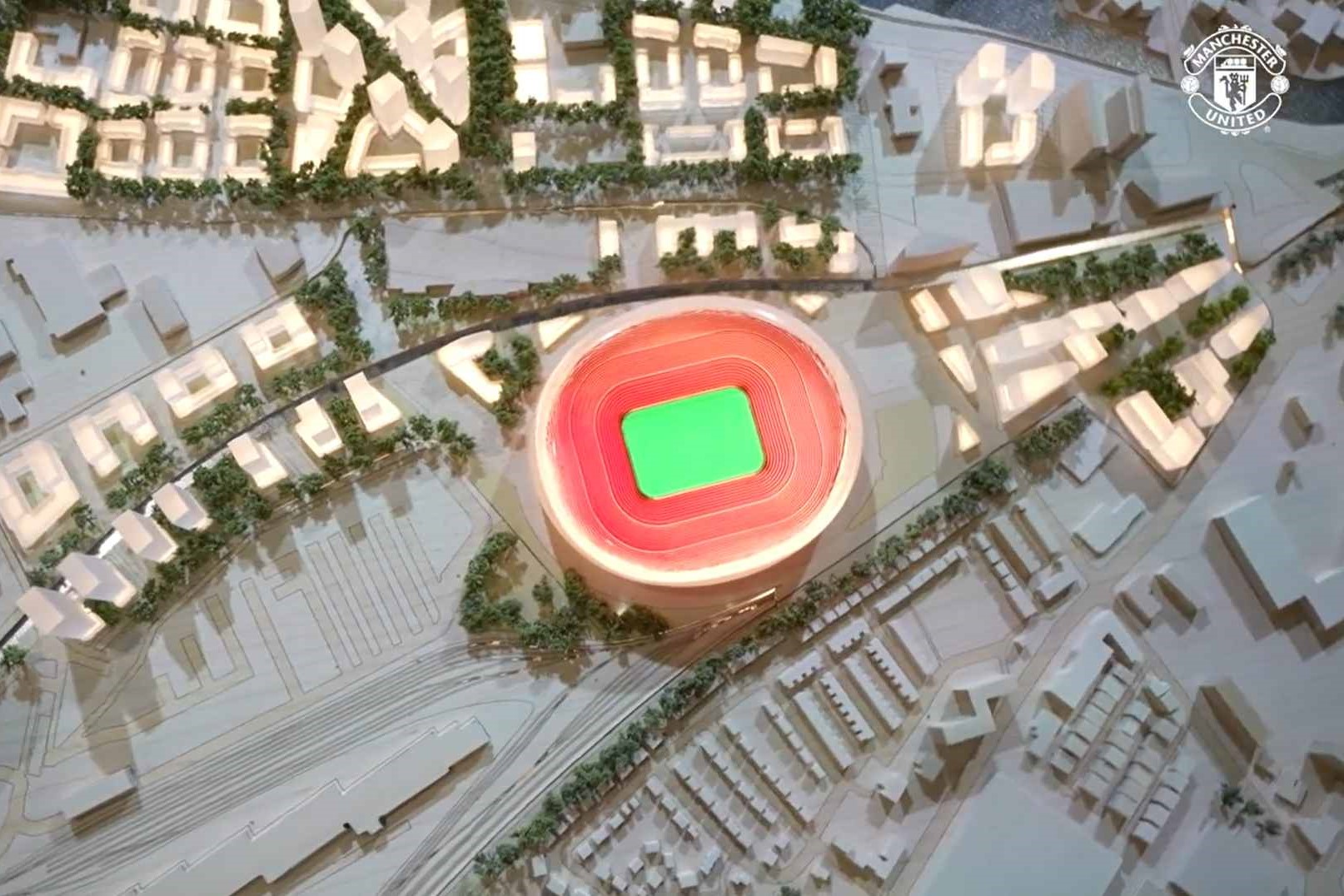
The club has bought a 25-acre industrial site from Indurent, around 350 metres north-west of Old Trafford. United says the deal gives it the majority of the land required for its proposed 100,000-seat stadium.
As a United fan, the idea of a world-class stadium beside the ground that carries so much history is genuinely exciting. As a property investor, however, I have to remove the red-tinted glasses. A huge regeneration headline can create opportunity, but it can also encourage people to overpay years before the benefits arrive.
What Manchester United has actually secured
The acquired site sits between Wharfside Way, Europa Way and John Gilbert Way. It is north of the Bridgewater Canal and close enough to the current stadium for United to keep the new ground within the club’s historic Old Trafford home.
The land deal matters because property assembly had been one of the biggest obstacles. Earlier plans were closely linked to neighbouring Freightliner land, where negotiations had reportedly stalled. The new Indurent site gives United another route and has since been confirmed as the proposed stadium location.
| What is confirmed | Current position | What is not confirmed |
|---|---|---|
| Land acquisition | United bought a 25-acre industrial site from Indurent and says it now controls most of the land required | The total land cost has not been publicly disclosed |
| Location | About 350 metres north-west of the existing Old Trafford stadium | The final detailed stadium design |
| Capacity ambition | A proposed 100,000-seat stadium | Final planning approval and opening date |
| Wider masterplan | A 30-year Trafford Wharfside vision covering about 370 acres | That every proposed home, job or transport project will be delivered exactly as illustrated |
| Housing ambition | About 15,000 homes, including affordable housing | Tenure mix, phasing and final unit numbers for every site |
| Delivery window | The current masterplan indicates 2031 to 2035 for the stadium | A guaranteed construction timetable |
This is much bigger than a football stadium
The stadium is intended to anchor the Trafford Wharfside regeneration programme, not stand alone in an industrial estate.
Trafford Council approved the draft strategic masterplan in July 2026. It sets out a 30-year vision for roughly 370 acres, an area comparable in scale with Manchester city centre.
The plans include around 15,000 homes, employment space, parks, public areas and transport improvements. The area is divided into six proposed neighbourhoods, including the Stadium District, Wharfside Waters, Wharfside Central and family-focused Waters Meeting.
Why property investors will pay attention
Large regeneration programmes can improve an area through better transport, new jobs, public spaces, housing and private investment. Over time, that can support rental demand and make a location more attractive to future buyers.
A 100,000-seat stadium would also bring major footfall and commercial activity. The wider programme is expected to support 48,000 local jobs and more than 90,000 nationally, while Oxford Economics research cited by the project estimated an annual economic contribution above £7bn.
Those are forecasts, not money already in the bank. The distinction matters.
| Potential investor tailwind | Why it could matter | Why caution is still needed |
|---|---|---|
| New transport and infrastructure | Better connectivity can widen the tenant and buyer pool | Schemes, funding and delivery dates can change |
| More jobs and visitors | Employment and footfall can support local rental demand | Matchday demand is not the same as stable year-round demand |
| Public realm and amenities | A better neighbourhood can improve long-term desirability | Benefits may take years to arrive and may already be priced in |
| 15,000 planned homes | Creates a larger, more complete residential district | New supply can compete with existing landlords |
| 100,000-seat stadium | Could strengthen the area’s identity and commercial activity | A stadium alone does not fix a poor yield or bad property |
My view: the strongest property case is not “football fans will need somewhere to stay”. It is that a neglected industrial area could become a connected, mixed-use neighbourhood where people genuinely want to live all year.
The 15,000-home figure cuts both ways
Investors often treat new homes as evidence that demand must be rising. They forget that new homes also increase supply.
If thousands of modern apartments arrive with gyms, co-working spaces and attractive public areas, older nearby flats may face tougher competition. Landlords could need to improve their properties, accept slower rental growth or compete harder on price.
On the other hand, a broader mix of homes can create a proper neighbourhood rather than an area dependent on offices, warehouses and matchdays. Family housing, affordable housing, shops and green space could make the district more resilient.
The trap
Buying the nearest available flat because a stadium has been announced. Regeneration does not rescue a bad lease, excessive service charges, weak rental demand or an inflated purchase price.
The timeline matters more than the render
The current masterplan indicates a likely stadium delivery window between 2031 and 2035. The wider Wharfside plan stretches across 30 years.
That means an investor buying today could experience several years of planning, demolition, infrastructure work, construction traffic and uncertainty before the finished neighbourhood exists.
The glossy images show an ambition. The investable reality will arrive through planning applications, funding agreements, land assembly, transport commitments and phased construction.
How I would assess an Old Trafford investment
| Question | Evidence to examine | Red flag |
|---|---|---|
| Does the property work today? | Current rent, service charges, maintenance, voids and finance cost | The deal only works after assumed capital growth |
| Who is the tenant? | Local employment, universities, transport and household profile | The entire plan depends on short-term football visitors |
| How much new supply is coming? | Planning pipeline by property type and tenure | Thousands of similar flats competing for the same tenant |
| What is the realistic timeline? | Council masterplan, planning applications and funded infrastructure | Marketing material presents a 30-year vision as imminent |
| Can you exit? | Owner-occupier demand, lease terms and comparable completed sales | A narrow investor-only resale market |
I would also stress-test the mortgage at a higher rate, allow for realistic maintenance and use achieved local rents rather than the rent promised in a brochure. If the property works without the stadium, regeneration becomes potential upside. If it only works after the entire masterplan is delivered, you are speculating on a very long chain of events.
What happens to the existing Old Trafford?
No final decision has been announced about the future of the existing stadium. That matters emotionally to supporters and practically to the masterplan.
United has said the new stadium would preserve the heritage, traditions and rituals associated with Old Trafford. The club also says supporters will be involved in the design, with atmosphere, affordability and accessibility central to the process.
That commitment will need to survive contact with construction costs, financing and the commercial temptation to sell more expensive hospitality. United fans have heard enough ambitious plans over the years to know that the announcement and the finished product are rarely the same thing.
Is Old Trafford now an obvious buy-to-let hotspot?
No. It is now an area with a stronger long-term regeneration case, which is not the same thing.
The land purchase reduces one major obstacle. The approved draft masterplan gives the wider vision more substance. But investors still need to analyse the individual property, local rents, future housing supply, lease terms, service charges and the likely tenant.
The bottom line
Manchester United securing the land is a genuine milestone, both for the club and the wider area. It could help transform Old Trafford into one of Britain’s most important regeneration districts. But a United badge on a masterplan does not turn every nearby flat into a good investment. Buy the property for the numbers that exist today. Let the stadium be the upside.
Related reading
Watch The Anxious Investor
The goal of my content is to help you avoid the mistakes I made. If you are interested in property investing, personal finance and improving your mindset, subscribe to The Anxious Investor on YouTube.
Sources and further reading
- Manchester United: United secures land for new stadium
- Manchester United: proposed stadium location
- Trafford Council: Wharfside Strategic Masterplan
- Place North West: Indurent land sale
- Place North West: July 2026 masterplan
- Lion Rose: implications for Manchester buy-to-let investors
- Property Week: Manchester United land acquisition
- New Civil Engineer: featured-image source and earlier concept model
This article is for general information only. It is not personal financial, mortgage or investment advice. Regeneration plans, timelines and economic forecasts can change.
Written by Aren Deu | The Anxious Investor



Leave a Reply